• Home
  • Traveling Patagonia
  • Road Trips
  • Nature Expeditions
  • Trekking
    • Day Tours
    • Muti-day Expeditions
  • Birding Tours
    • Day Tours
    • Overnight Tours
    • North Patagonia Birding Tour
    • From the Atlantic Coast to the Andes
  • Logistics
  • Contact Us
  • About
  • Blog
  • Español

Copyright © 2016 Tierras Patagónicas

Day Tours. Nature Expeditions.

EXPEDITIONS FROM SAN MARTÍN DE LOS ANDES

Our day tours are private and very different from the ones designed for big groups. These are real nature interpretation expeditions, where we will approach nature and wildlife from different sides of science and culture. We are interested in wildlife (birds and mammals), plants (trees, shrubs and flowers), fungi, biodiversity, ecosystems, etc. We also analyze the geology, climate, natural history and life evolution.


We want to know about the human impact on the environment, native cultures and their history. We do all this on a personalized way. In a 4WD vehicle with few passengers. We stop as many times as needed. Every place, at different times of the day and in different seasons will show us different things. That is our goal: the interpretation and knowledge of nature and culture.


Expediciones

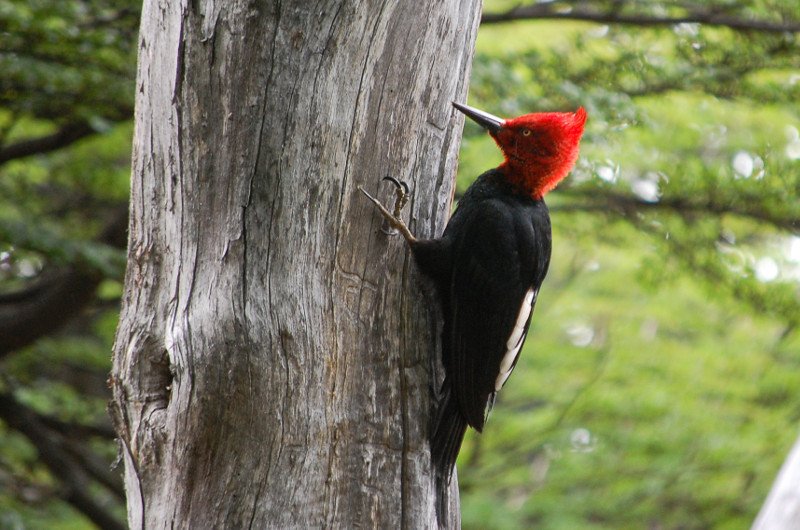
Carpintero Gigante (Campephilus magellanicus)

THE SEVEN LAKES ROUTE

The very famous Seven Lakes Route goes from San Martín de los Andes to Villa La Angostura through 110 Km. of great beauty with the best of the Patagonian landscapes: incomparable lakes surrounded by dense forests dominated by roble beeches and cypresses.


Once we leave San Martín de los Andes we will see on the right the accesses to Catitre and Quila Quina, both on the Lacar Lake; then we will arrive to Pil Pil viewpoint from which we will see Lake Lacar and the different hills around it. Passing by the exit to Chapelco Ski Resort we will stop on the next viewpoint, Arroyo Partido. Then we will stop a few more times to see Vulligñanco waterfall, and lakes Machónico, Hermoso, Falkner and Villarino.


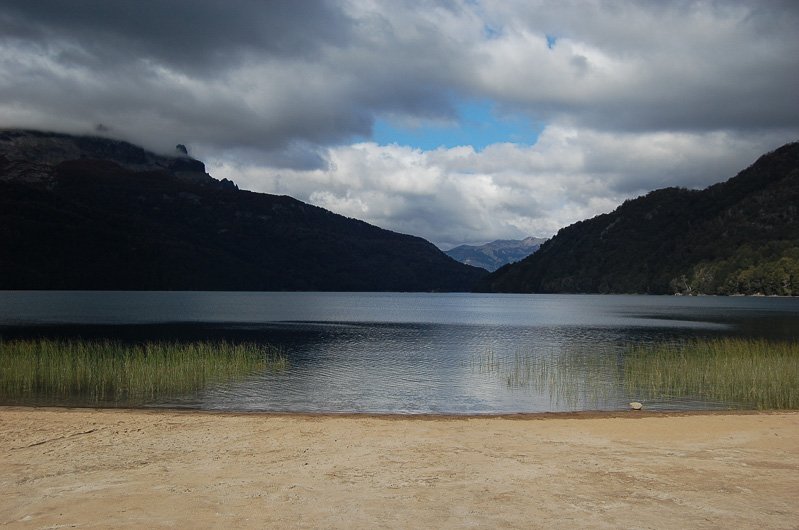
Villarino Lake

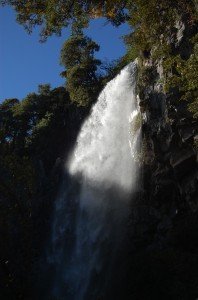
Vulligñanco waterfall


Before Lake Falkner we leave Lanín National Park and enter Nahuel Huapí National Park. From there the road winds, crossing Pichi Traful River and, after going round one of the arms of Lake Correntoso and passing by Espejo Chico and Espejo lakes, reaches the crossroads that takes to the Puyeue border crossing, that connects with the Puyeue National Park in Chile.

Following Route 40 we will arrive to Villa la Angostura, located on of the arms of the magnificent Lake Nahuel Huapí. There we can visit the city, get to Los Arrayanes National Park in Quetrihué Península or take one of the boats that sail the lake.


Along the way will speak about: Lanin National Park history and current challenges. Formation of the Andes mountain range: tectonic plates, rock materials and volcanism. Glaciers as formers of the actual landscape. Exotic plants and their relations with the native ones. Wetlands: ecological importance and species inhabiting them. Flora: subantarctic beeches, Chusquea Bamboo and its flowerig cycle, Berberis shrubs. Birds: Chimango Caracara, Shouthern-crested Caracara, Austral Parakeet, Woodpeckers and much more.


Ask a question › ‹ BACK TO TOURS


THE FOREST ROUTE: HUA HUM, CHACHÍN & NONTHUÉ LAKE

Leaving in the morning we take Ruta 48 to Hua Hum, just on the Chilean border. We will stop at Pampa del Trompul and on the Yuco beaches by the Lacar Lake. Once we reach Hua Hum we will stop at the “Van Dorsser Wood Casttle”, restored now as a visitor’s center. From there we will cross Hua Hum River and then do a short walk to the Chachin Waterfall. Later, we will go down to Puerto Pucara, on the strait between lakes Lácar and Nonthué. From there we will take our way back to San Martín de los Andes.


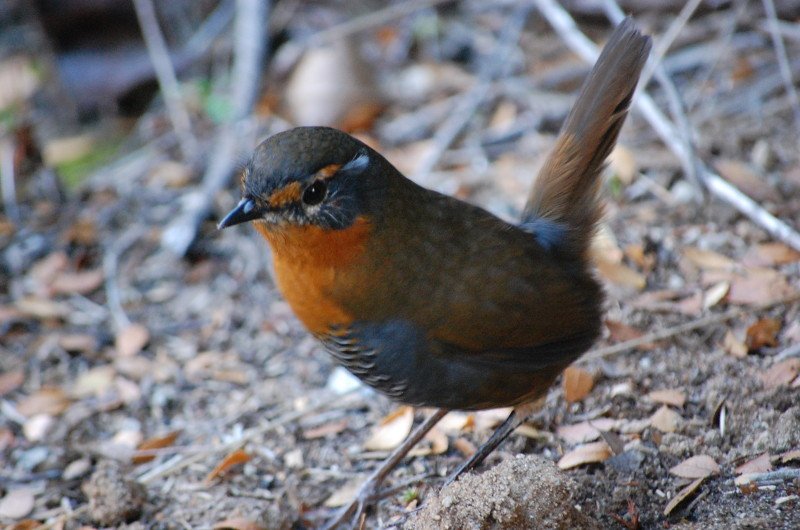
Chucao

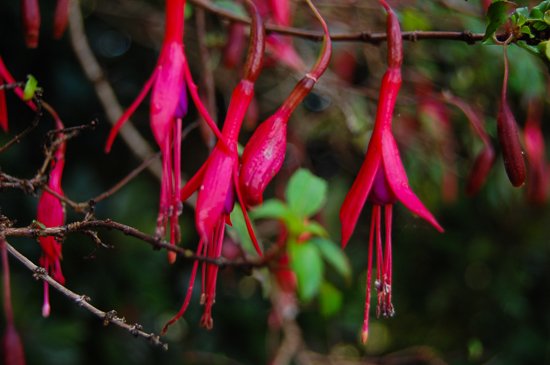
Fucsia, Parque Nacional Chiloé


We will speak about the trees species protected on the Lanin National Park, specially the Roble Beech and the Chilean Southern Beech. Origin and features of the Subantarctic Forest. Loss of forests mass. Rain regime as biodiversity factor. Valdivian Rainforest: species and characteristics. History and culture of the Mapuche People at Piedra del Trompul, a sacred place for the Mapuche culture. Birds on the Yuco area: Chucao Tapaculo and Black-throated Huet-Huet, endemic species of the Andean-Patagonian forest. Mammals: South Andean Deer vs Red Deer, Pudu, Austral Spotted Cat and Mountain Lion. History of Hua Hum: rise and fall of the timber industry.


Ask a question › ‹ BACK TO TOURS


THE ENCHANTED VALLEY ROUTE

We leave San Martín de los Andes early in the morning, taking route 40 direction south. Then we will detour by route 63 (dirt road) to Meliquina Lake. There we will stop at Villa Meliquina, one of the youngest towns in Argentina, founded a few years ago. From there we will continue on route 63 and if the road is open, we will take a 5 Km. detour to visit the beautiful lake Filo Hua Hum, one of the favorites of the area fishermen and with excellent places for free camping.


Back on route 63 we will continue up to paso Córdoba, an important crossing for cattle in the past. All the area is surrounded by impressive geologic formations and the landscape from the viewpoint is amazing, especially during autumn.

Córdoba Pass

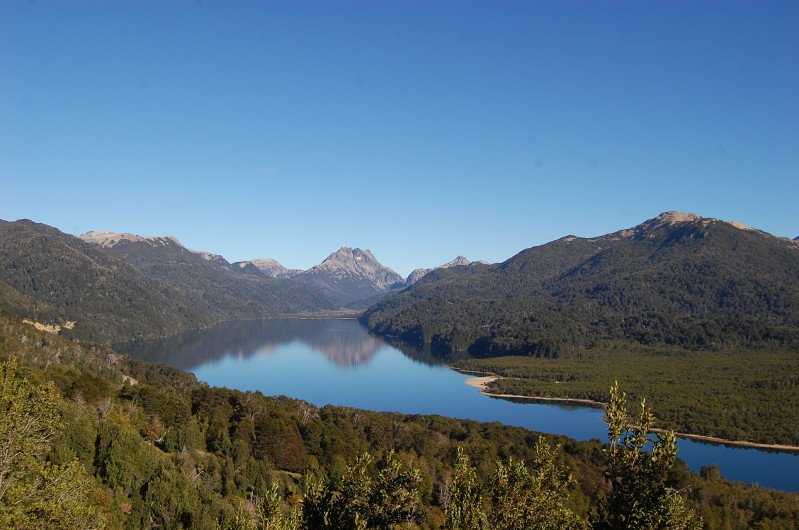
Traful Lake


From there we will descend parallel to River Traful to the confluence of that river with the Limay River. Crossing Traful River we will take the provincial route 65 (again a dirt road) heading Villa Traful. 5 Km. before we arrive we will stop at the magnificent Traful viewpoint, located over a sheer cliff from which there is an amazing view of Lake Traful.

In Villa Traful we will take a walk by the dock and have some rest in one of its excellent tearooms before beginning our way back to San Martín de los Andes. We will return by taking route 65 down to Route 40 again (the Seven Lakes Route) down to San Martín de los Andes.


We will speak about glacial valleys and volcanic rock formations. Exotic plants and fish and their relations with the native species. Mammals of the Patagonian steppe: Guanaco, Armadillo, Mountain Viscacha, Patagonian Cavy, Culpeo Fox, Mountain Lion. Birds: Andean Condor & Lesser Rhea. Limay River as a natural border between Neuquén and Río Negro provinces. Main tree species of the Andean-Patagonian forest.


Ask a question › ‹ BACK TO TOURS


LAHUEN CO THERMAL SPRINGS ROUTE

We leave San Martín de los Ande by route 62 to Lolog Lake, one of the most frequented by the locals, due to its easy access and nice beaches. After going round the lake for a few km then the route goes north and then west towards the Lanin National Park entrance. Before entering the park there is a border patrol station where you have to do the customs papers if you aim to pass to Chile by the Carirriñe pass.


Once in the park we will reach Currehué Chico Lake, where we will stop in a nice viewpoint over the lake. If you wanto we can also go down to the beach. Later we will contunie by mallín grande, a big wetland between lakes Curruhué Chico and Grande. We will stop again by Curruhue Grande to do a 400 m walk through the beautiful monkey-puzzle trees forest. The path ends in a viewpoinnt over Currehué Grande Lake.


We will continue by Currehué Lake to reach its west end where there is a camping area. 400 m further we will detour to the lovely laguna Verde (Green Lagoon) where we will stop to walk its large volcanic sand beach. After laguna verde the forest becomes more and more dense. We will pass by laguna del Toro to reach one of the highlights of the day: the bed of solidified lava of the Achen Niyeu volcano. There we will stop again to walk a 500 m interpretative path that follows the lava river towards Epulafquen Lake.


Lava river of Achen Niyeu volcano


Then we will continue by the south side of Epulafquen Lake. We will stop again to take a shorth walk down to Carilafquen Waterfall which flows from Carilafquen Lake to Epulafquen. Along the way we will see a lot of native flora species such as coihue, ñire, lenga, raulí and caña colihue. After this walk we will continue in the vehicle to our final destination: the Lauen Co Thermal Springs. There we will walk a path along several wells and if the weather is good we can take a thermal bath. After this we will take our way back to San Martín de los Andes.


Along the way we will talk about: glaciers and the formation of the present landscape. Native flora of Lanín National Park: araucaria, coihue, lenga, ñire, radal, caña colihué, etc. Wetlands: ecological role and flora and fauna especies in them. Endemic birds of the Andean-Patagonian forest.


Ask a question › ‹ BACK TO TOURS


THE HUECHULAFQUEN LAKE ROUTE

Leaving San Martín de los Andes we will take the Route 40 direction north to the neighboring town of Junín de los Andes. Once we pass Junín we will take the provincial route 61 (dirt road) paralel to the Chimehuin River to reach the east side of Lake Huechulafquen. There we will pay an entrance admission fee to enter Lanín National Park and continue our way bordering the lake with excellent views of it and of the Lanín volcano.

After 30 Km. going by the north margin of the lake we will reach Puerto Canoa. There, if you want, you can take a 2-hour boat excursion that takes you by the Huechulafquen, Paimun and Epulafquen Lakes, with amazing views of the Lanín Volcano and the Araucaria (Monkey-puzzle Tree) forest.

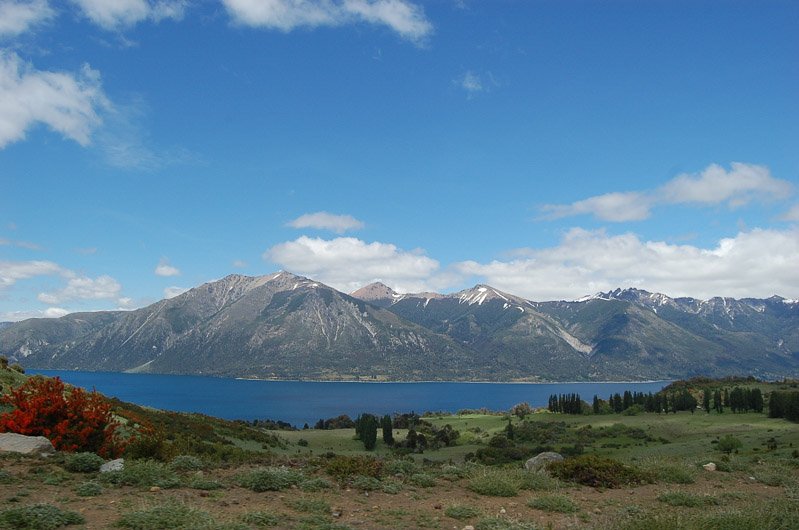
Huechulafquen Lake

Saltillo Waterfall, Patagonia Argentina


After Puerto Canoa, we will reach the strait that separates the Huechulafquen and Paimún lakes. There is a military post and the peculiar chapel of María Auxiliadora de Paimún which has two domes, one catholic while the other orthodox. There is an excellent open air resting area, with tables and bonfires where we can have our lunch with excellent views of the south face of Lanín volcano.


From there we will continue our way through a very rough path down to Piedra Mala campsite, where we will park the vehicle to start a 30 minute walk up to the spectacular Saltillo waterfall that comes directly from theice melting of the Lanín volcano glacier. Going back to the campsite we will start our way back to San Martín de los Andes.

We will discuss about the forest - steppe transition and the rain regime as Rain regime as biodiversity factor. On the steppe we will go through its native flora and fauna species: Coirón, neneo, choique, guanaco, culpeo fox , armadillo. Araucaria (Monkey-puzzule tree) forest, characteristic of this species as a “living fossil”. Lanin volcano: origin and characteristic. Climbing the volcano. Birds of the Patagonian forest: Thorn-tailed Rayadito, White-throated treerunner and Magellanic Wodpecker. History and culture of the Mapuche People.


Ask a question › ‹ BACK TO TOURS


THE STEPPE AND LANÍN VOLCANO ROUTE

We will leave San Martin de los Andes taking Route 40 direction north towards the neighboring town of Junín de los Andes. Just passing Junín we will take route 23 to cover 32 Km. of beautiful Patagonian steppe where we will have the first sights of Lanín volcano on the background.


On the next crossroad we will turn left, taking the route 60 that leads to the Maluil Malal international border crossing to Chile, formerly known as Tromen crossing. After 50 Km. with excellent landscapes and views of the volcano we will enter Lanín National Park, changing the asphalt for dirt road. There, on the shore of Malleo River, a splendid forest of Araucarias stretches for 10 Km. as far as the Parks’s ranger post where the path to climb the volcano starts. We will stop there to get to know some details about the expeditions to the Lanín volcano, having great sights of its glaciers, refuges, and the route to climb up to the summit.

Volcán Lanín

Tromen Lake, Patagonia Argentina


From the park rangers office we can do a 45 minutes walk through the Roble Beeh forest to rech the base of the Lanin volcano, where we can see huge volcanic rock formations and the glacier that covers the summit. If we are lucky, along the way we could see the Magellanic Woodpeckers.

Back on the park rangers building we will go on the opposite direction to cover a 3 Km. rough path to reach the splendid Lake Tromen. There we will take a walk by its beach of volcanic black sand, having new sights of the volcano. We can also go over an area of fallen tress on the left side of the lake.After having lunch in the resting area we will take our way back.


On our way to Junín de los Andes we will discuss about the forest - steppe transition and the rain regime as biodiversity factor. On the steppe we will go through its native flora and fauna species: coirón, neneo, choique, guanaco, culpeo fox and armadillo. On the Malleo river we will speak about birds such us the Andean Condor, the vultures, birds of prey and the Kingfisher. On the Araucaria forest we will discuss the characteristic of this species as a “living fossil”. Lanin volcano: origin and characteristics. Climbing the volcano. On the Roble Beech forest we will talk about the Magellanic Woodpecker: characteristics, feeding and reproduction.


Ask a question › ‹ BACK TO TOURS


  • CONTACT


    info@tierraspatagonicas.com


    phone-icon-928+54 2972 413 786


    WhatsApp-icon 24px
       +549 2944 710 762


    San Martín de los Andes, Patagonia Argentina

  • Subscribe to our mailing list


  • VIDEOS

  • TESTIMONIALS

    (CLICK TO SEE ALL)

    “”There are no words to express our gratitude for the most wonderful trip of our lives. We discovered a region in Patagonia along the Andes (both on the Argentinian and Chilean side) with amazing sceneries, getting to hidden places that José, thanks to its knowledge of the area and its own curiosity, encouraged us to know..”

    Isabel, from Argentina.


    “José is one of the best prepared guides we have ever met, with an impressive knowledge of the flora and the fauna. He took us to wonderful natural parks, some of them barely mentioned on the travel guides, which we would not have visited if it was not for him.”

    Beatriz, from Spain.


    “We were lucky to find the services of Jose. He has an excellent knowledge of the Patagonia landscape and places that are hard to find in popular tourist circuits.Clearly, this was a trip of a life time for us and Jose made sure that we enjoyed every moment of it. His travel company is clearly the one to go with in PATAGONIA.”

    Bhattaram family from the USA.


    “The organization, the sites visited and everything we did met and even exceeded our expectations. Our assesment of the tour can not be more positive”

    Maite & Fernando, from Spain.


    ” Not only the trip organization exceeded all our expectations, but also José’s company and dedication: It is so gratifying meeting someone who enjoys what he does that much”.

    Gabriela & Andrés, from Argentina.

  • Photos

    • ANDEAN PATAGONIA
    • SOUTHERN PATAGONIA
    • ATLANTIC PATAGONIA
    • BIRDWATCHING PHOTOGRAPHY
  • Recent Posts

    • Birds of Patagonia: Patagonian Sierra-Finch
      (Phrygilus patagonicus) The Patagonian Sierra-Finch is an endemic species of Patagonia...
    • Pillan Mahuiza Geopark
      Pillán Mahuiza Geopark, in San Martín de los Andes, Patagonia, Argentina, spans...
    • Birds of Patagonia: Silvery Grebe
      (Podiceps occipitalis) This sublime diver and swimmer is found in almost all Argentina,...
  • Popular Posts

    • The Andean-Patagonian Forest
      The Andean-Patagonian forests, also known as Subantarctic forests, spreads over steep...
    • Ruta 40, North and Cuyo Sectors
      Ruta 40 ("Route 40"), or National Route 40 is the longest and most spectacular road...
    • A Tour to The Marble Chapels
      The "Marble Chapels", in General Carrera Lake, Chile, are mineral formations made...