• Home
  • Traveling Patagonia
  • Road Trips
  • Nature Expeditions
  • Trekking
    • Day Tours
    • Muti-day Expeditions
  • Birding Tours
    • Day Tours
    • Overnight Tours
    • North Patagonia Birding Tour
    • From the Atlantic Coast to the Andes
  • Logistics
  • Contact Us
  • About
  • Blog
  • Español

Copyright © 2016 Tierras Patagónicas

Pillan Mahuiza Geopark


Pillán Mahuiza Geopark, in San Martín de los Andes, Patagonia, Argentina, spans over an area of 4,847 km2 on the Neuquén departments of Aluminé, Catán Lil, Collón Curá, Huiliches, Lácar and Los Lagos. This geopark has been conceived by a group of local geologists following the UNESCO guidelines for the Global Geoparks Network, applying for being the first geopark in Argentina and to join the incipient Latin-American Geoparks Network. The area proposed for this first Argentinian geopark comprises the southwest of the Neuquén province, in the geological province known as Northern Patagonian Cordillera, which is part of the Central Andes.


Cerro Chapelco, Pillan Mahuiza Geopark


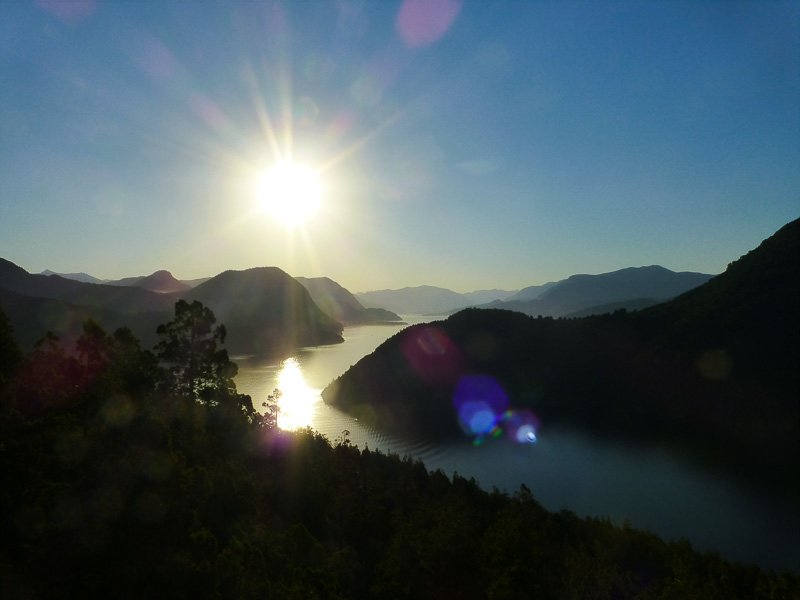
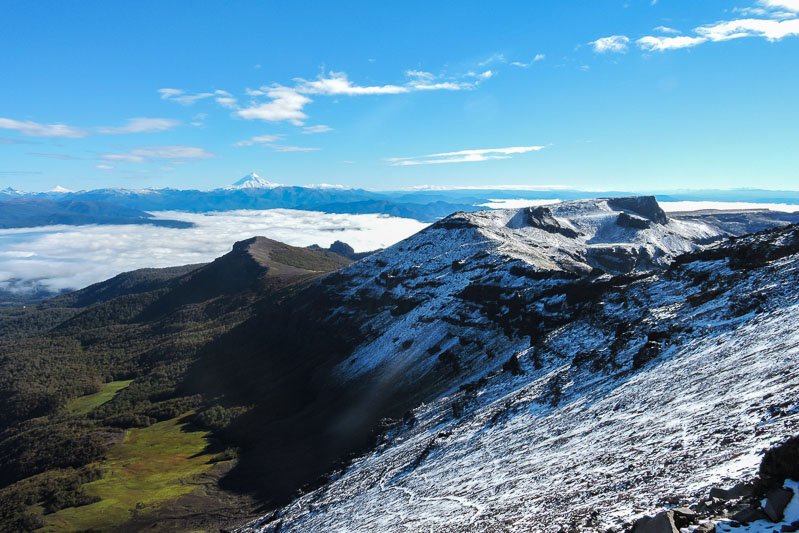
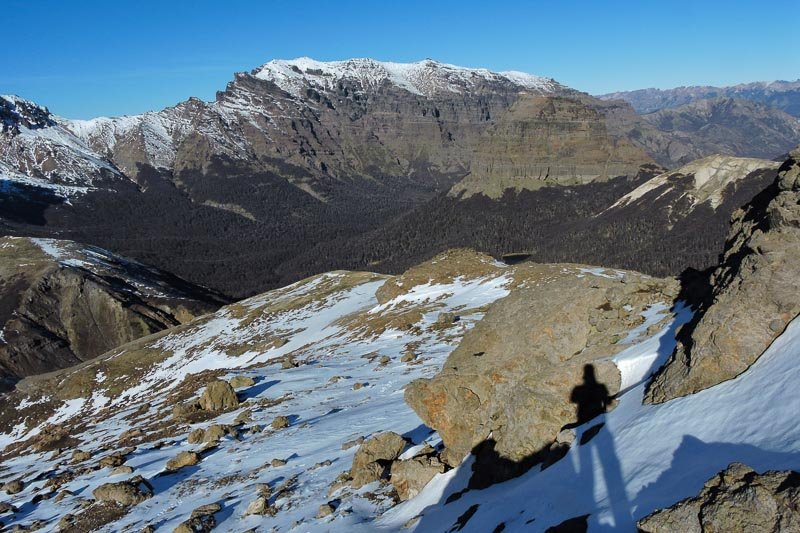
The geomorphology of the area is typical of a high mountain area, a young landscape with impressive volcanic structures like Lanín volcano, of 3,776 m, the highest peak in the area. The significant effects of the glaciers actions during the ice ages of Pleistocene can also be seen easily. There is a wide range of different geoforms linked to the action of these glaciers, like the deep troughs excavated on the valleys. These valleys, which are all transversal to the mountain range, are now filled with magnificent lakes.


Lácar Lake, San Martín de los Andes


The UNESCO geoparks program started in 2000 with the integration of four European natural spaces into the European Geoparks Network and the subsequent signing of an agreement between this network and the UNESCO Earth Sciences Division. A geopark is therefore defined as “a territory with a network of sites of geological significance, as well as sites with important ethnographic, ecological or cultural features“. Speaking strictlyin geological terms a geopark is an area with geological features of special relevance, rareness or beauty. These features must be representative of the geological history of a particular area and the events and processes that shaped them.


Cerro Chapelco, Pillán Mahuiza Geopark


Pillán Mahuiza Geopark project clearly complies with these requirements, adding to its geological attractions an extremely rich biological and territory occupation histories. The creation of the Geopark will be a clear step into the recognition of the value of these natural and cultural assets. Its name itslef alludes to its cultural values: Pillan Mahuiza are native Mapuche terms that could be translated as “sacred mountain”. However, the concept within the expression pillán mahuiza is much more complex. In the words of the brilliant tourist guide from San Martín de los Andes, Ricardo Caletti: “….here lives nature, evolving from the ancient times in a unique space that, in the language of the Mapuche People, is the call to the profound spirit of the mountains and the volcanoes where the souls of the ancient men and women live, who guard the harmony of the celestial and terrestrial manifestations, so the modern man can unravel their secrets and beauty”.


Yuco, PN Lanín


Geoparks as spaces of divulgation of the geological knowledge and the ecotourism development are already very advanced in Europe, where there are 69 of a total of the already existing 120 geoparks, spread around 33 countries that make the global network. Geoparks aim not only to acknowledge the geological, cultural and historical heritage of an area, but also to incorporate a touristic value.


Auquinco Trail, Lanin National Park


Therefore, this is an excellent opportunity for towns like San Martín de los andes, Villa La Angostura and Junín de los Andes to diversify their touristic offer, combining conservation, sustainable development and community participation based on the geological heritage of the territory. From a touristic point of view, it is a highly novel and interesting proposal, based on a product with an active participation from the visitors and the local professionals. The visitor comes up as an active geo-tourist that is escorted by local guides who, providing relevant information, produce a high-value experience.


Cerro Mallo


To meet that goal a set of geosites (sites of high geologic value) have been listed to make the visit to the geopark a series of “moments and spaces to learn”. The geosites listed for Pillán Mahuiza geopark include a wide range of rock types, with processes and geological ages that range from the Precambrian - Paleozoic, with igneous-metamorphic rocks to the most recent Cuaternarian with lava flows and glacial geoforms. On a later stage of the project, a series of georoutes that go through the different geosites will be drawn up, following a thematic thread from a geological standpoint.


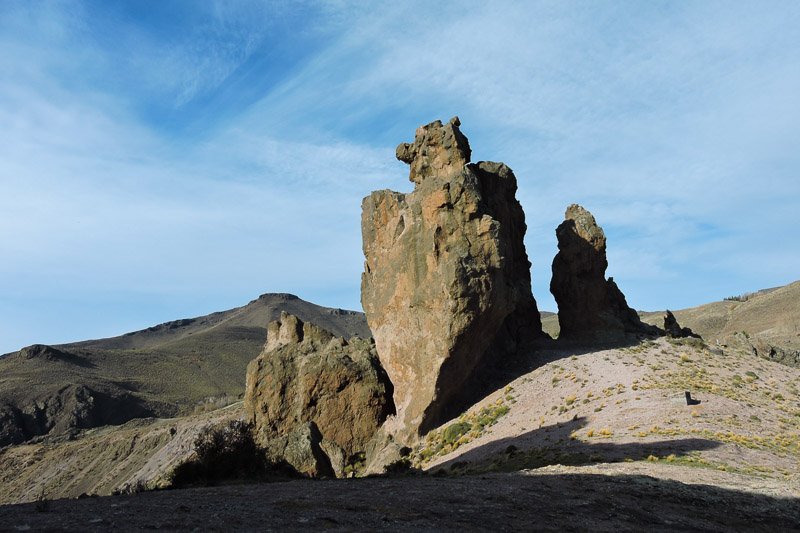
The geosites were chosen following novel criteria. Taking the methodology used by Lima (2010) to list geosites on large territories like the one proposed for Pillan Mahuiza as a starting point, this was complemented with the involvement of local people on field trips. Neibourghs that were interested were taken on field outing and told to indicate things on the landscape that brought their attention. The geological information about what types of rock or structure, what the geological history was, etc. was presented to them. This is the same practice that would be later done with the visitors of the geopark. Following this procedure, sites like to one on the next picture, a dike in front of the geosite “Anticline Flank” is being considered as a potential new geosites after being identified by a shopkeeper from San Martin de los Andes.


Pastichotti Dike, Pillán Mahuiza Geopark


The list of geosites proposed is the following:


1. Lanín Volcano

2. Lava flow of Achen Niyeu volcano

3. Epulafquen Lake thermal springs, or Lahuen Có

4. Lácar Lake

5. Colorado Peak

6. Tromen Lake beach

7. “El Biberón”, on the Córdoba Pass area

8. Cuyín Manzano

9. Chapelco Massif

10. Arrayán viewpoint, in San Martín de los Andes

11. Los cóndores viewpoint

12. Loma atravesada de Taylor

13. Basaltos del río Malleo River basalt formations

14. Cerrito Piñon, on Collón Curá River Valley

15. Lipetrén Formation

16. La Rinconada

17. Anticline Flank

18. Turbidites of Rahue

19. Choiyoi Formation, on Pilolil place

20. Wetland of Maipú Meadow


Apart from the geosites themselves, 10 other sites of non-geologic interest have been pre-selected. These are sites of biological, anthropological and cultural value.


Some of the most representative geosites are:


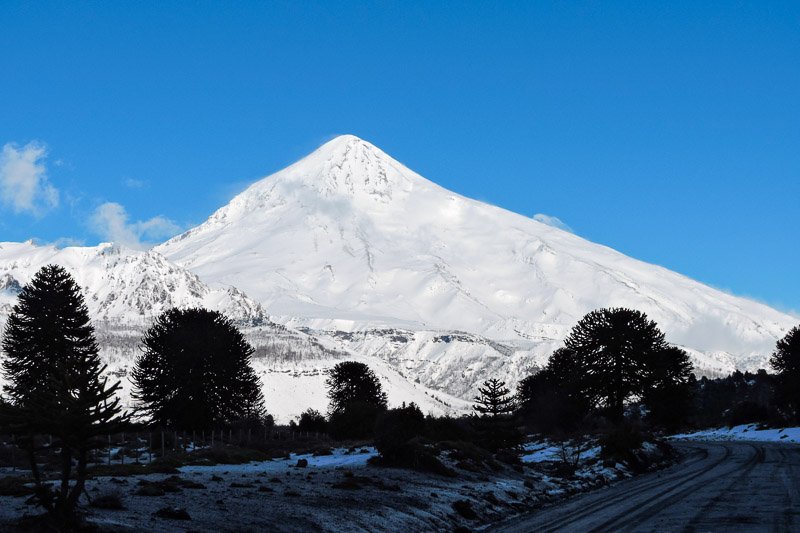
Lanín volcano, with a height of 3,776 m, is one of the highest peaks in Patagonia and an icon both for the Mapuche culture and the Neuquén province. Is a stratovolcano, a conical volcano built up by many strata of hardened lava, tephra, pumice and volcanic ash. Its profile is steep, up to 30º, making a regular cone similar to other emblematic volcanoes, such as Mount Fuji, in Japan, which curiously enough has exactly the same altitude. Despite not registering any activity since the XVIII century can be considered an active, although latent, volcano, as there are records of activity during the last 10,000 years and its morphology shows recent activity. Its formation is, in geological terms, very recent. It was formed in four different eruptive cycles that started during the Early Pleistocene or the Late Pliocene (from 2.6 to 1.8 million years ago) and ended in the Holocene, less than 12,000 years ago.


Lanín volcano, Pillán Mahuiza Geopark


Pilolil, on the provincial route 23, that goes from Junin de los Andes to Aluminé, is a place with an impressive set of volcanic breaches, tuffs, and ignimbrites shaped by the erosion. They belong to the Choyoi Formation. This formation had its origin in a great volcanic event occurred during the lapse from the Upper Permian to the Middle Triassic on the continental margin of the Gondwana supercontinent. It comprises large parts of the Argentinian and Chilean Cordillera, in San Rafael, south of Mendoza and north of Neuquén. The presence of cave paintings on this geosite adds the value of the cultural expressions of the first human settlers in the region.


Pilolil, Pillán Mahuiza Geopark


From the Rahue Slope, on the intersection of provincial routes 24 and 46 you get wonderful views of the Andes, with the Aluminé River Valley and several volcanoes on the Chilean side on the background. Several rock outcrops of the most ancient rocks of the region can be seen: metamorphites of the Colohuincul Formation that belong to the Upper Proterozoic and turbiditic sands of Los Molles Formation, from the Jurassic. The Rahue Slope stands out for its steep gradient, descending 1,000 m on a winding road of just 300 m. The cutoffs done to build the road are an important tool for the geologists to observe the different formations. In this case, we can see the most ancient rocks of the Colohuicul Formation and the along the steep descent the sequence of newer rocks on top of the older ones. This allows for a geological profile to be drawn up.


The geosite “Anticline Flanck“, on the Catán Lil Valley, is several km west, near the May 1st Fort, near the intersection of routes 24 and 46. It features significant Jurassic rock outcrops and different structures like faults and foldings. The area also stands out by the presence of numerous and varied marine fossils. 180 million years ago, before the Andes rose, the Neuquén Basin was covered by a shallow sea which water came from the south on Mendoza, in the actual area of the Atuel River. The presence of this great amount of marine fossils is the consequence of the tectonic behavior of the basin, with different periods of ebb and flow of the coastline that produced plenty of sediments during the Jurassic and Cretaceous.


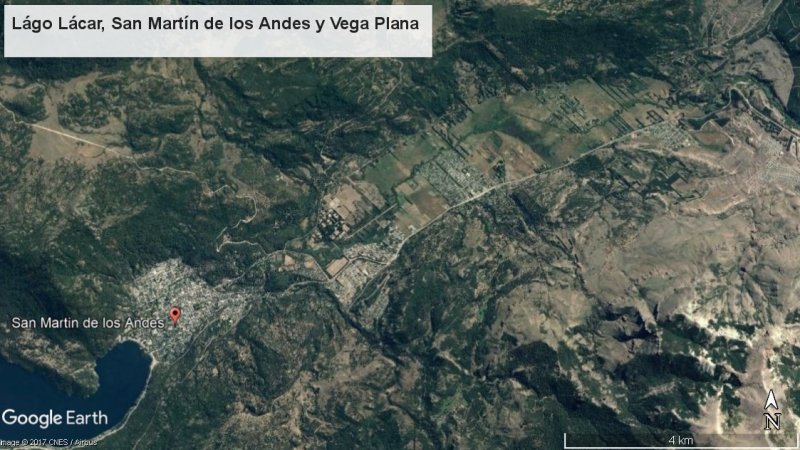
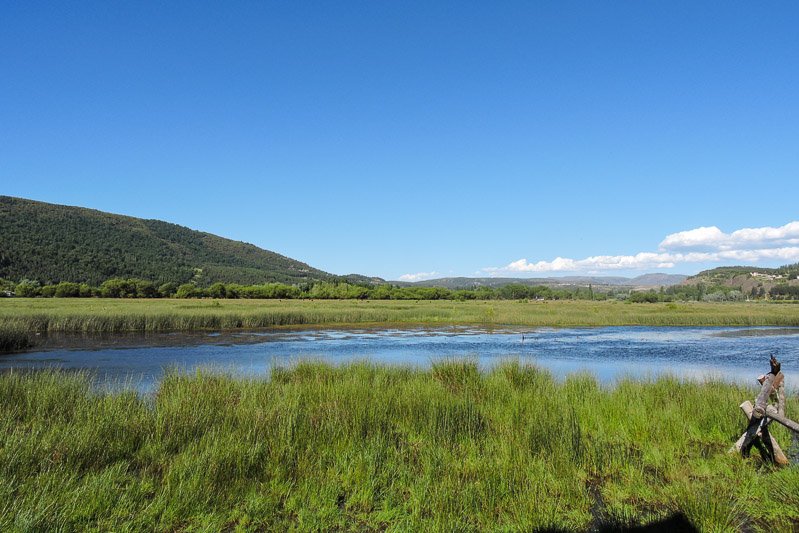
Vega Maipú wetland, is an area of the town of San Martín de los Andes, located in a valley that was covered by glacial ice during the Pleistocene, only 18.000 years ago. During the period of maximum ice extension, this covered all the Lacar Lake basin and the urban center of San Martín de los Andes, up to Vega Maipú. The advance of this enormous glacier was recorded in the form of a frontal moraine. This moraine has the shape of a rounded hill located 9 km east of Vega Maipú, known as Taylor’s Hill, just behind the Chapelco Golf Club. As the ice retreated, the space on the valley was occupied by the lake, leaving a typical glacial valley, U-shaped, with steep walls and a flat bottom, surrounded by a relief of round shapes.


Lágo Lácar, San Martín de los Andes y Vega Maipú


The bottom of this valley, on the area of the actual Vega Maipú, is made by isolated outcrops of very old plutonic and metamorphic rocks and a significant amount of more modern vulcanites, all partially covered by recent glacial and fluvial sediments. Over this rich soil now there is a mallín, a term that in Patagonia refers to a low floodplain or wetland. These areas are flooded permanently or seasonally, depending on the quantity of precipitation and the cycles of snowfall and melting on the surrounding mountains. Being covered regularly by the water the soil gets saturated and devoid of oxygen, producing a hybrid ecosystem between the purely aquatic and the terrestrial ones.


RNU Cotesma, San Martín de los Andes


This peculiar habitat is vital for a lot living beings, especially birds, and it provides important environmental services to the community of San Martín de los Andes, as it is a natural hydrological regulator that retain and filter the water that feeds Pocahullo stream and Lácar Lake. These environmental values, that is needed to protect, led to the creation of the Cotesma Urban Natural Reserve, that protects 38 hectares of this ecosystem, promoting environmental education, research, conservation of biodiversity, flora and fauna protection and community involvement on the care of the environment. The NGO Conservación Patagónica is responsible for managing the reserve and together with the telephone cooperative, COTESMA, which owns the land, agreed being part of the geopark, signing a technical cooperation agreement.


Cauquén Real (Chloephaga poliocephala)


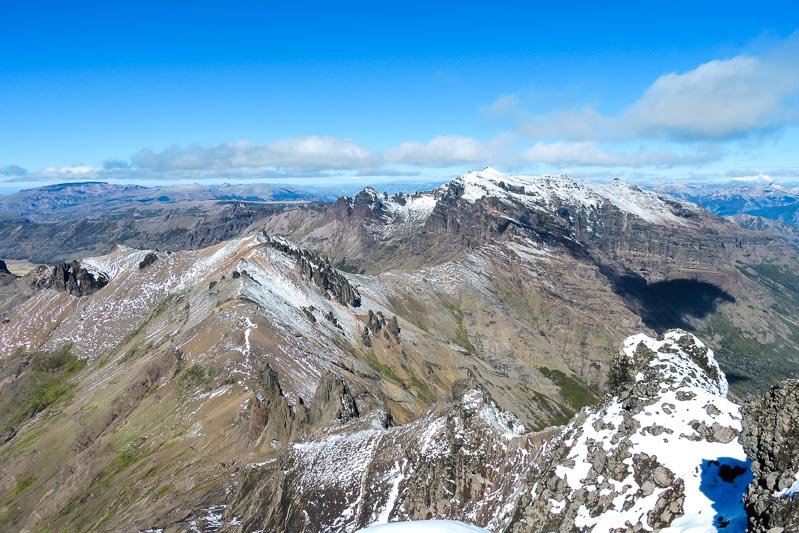
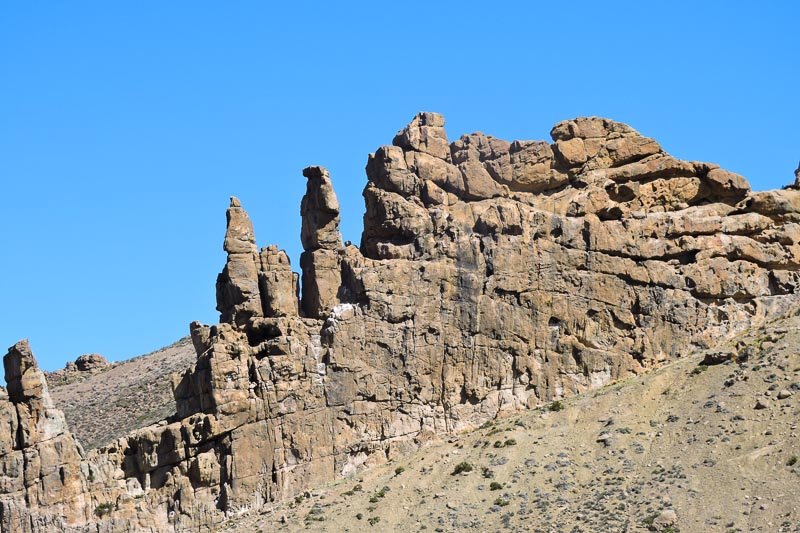
On the mountainsides, on both sides of Vega Maipú, there are large outcrops of the Ventana Formation, made of basalt and andesites flows, volcanic breaches, ashes, and tuffs. These outcrops have their maximum expression on the Chapelco Massif, another geosite. It is the remains of an ancient volcano, now dismantled by the erosion, from where basaltic lava flows descended in all directions and later was eroded by the actions of glaciers. In Chapelco there is a ski resort, the main touristic attraction in San Martin de los Andes during the winter season and one of the best winter sports centers in South America. Apart from the winter sports, Chapelco has countless possibilities for hiking, trekking, and climbing.


Cerro Chapelco, Geoparque Pillán Mahuiza


REFERENCES:

Carut, M.; Torre, F.; Moscoso, P.; Carut, C. (2017). Geoparque Pillán Mahuiza, San Martín de los Andes. XX Congreso Geológico Argentino, 7 al 11 de Agosto de 2017, Tucumán, Argentina.

Geoparque de Sobrarbe - Parque Geológico de los Pirineos

Reserva Natural Urbana COTESMA


Wanna say something?


  Cancel Reply

  • CONTACT

    info@tierraspatagonicas.com

    Phone: +54 2972 413 786
    Cel: +549 2944 710 762

    San Martín de los Andes
    Patagonia Argentina

  • VIDEOS

  • Photos

    • ANDEAN PATAGONIA
    • SOUTHERN PATAGONIA
    • ATLANTIC PATAGONIA
    • BIRDWATCHING PHOTOGRAPHY
  • Recent Posts

    • Birds of Patagonia: Patagonian Sierra-Finch
      (Phrygilus patagonicus) The Patagonian Sierra-Finch is an endemic species of Patagonia...
    • Pillan Mahuiza Geopark
      Pillán Mahuiza Geopark, in San Martín de los Andes, Patagonia, Argentina, spans...
    • Birds of Patagonia: Silvery Grebe
      (Podiceps occipitalis) This sublime diver and swimmer is found in almost all Argentina,...
  • Popular Posts

    • The Andean-Patagonian Forest
      The Andean-Patagonian forests, also known as Subantarctic forests, spreads over steep...
    • Ruta 40, North and Cuyo Sectors
      Ruta 40 ("Route 40"), or National Route 40 is the longest and most spectacular road...
    • A Tour to The Marble Chapels
      The "Marble Chapels", in General Carrera Lake, Chile, are mineral formations made...

  • Categories

    Antrophology Birdwatching Books Fauna Fungi Geology History Lakes & Rivers Mountains National Parks Native People Paleontology Plants Route 40 Tours Uncategorized Volcanoes